The three months before pregnancy are as important as the nine months during it. Dr. Rajeev Agarwal's preconception programme prepares both partners biologically, medically, and genetically before conception begins.
of couples conceive in the first 6 months, when conditions are right
90%
conceive within a year, but only if nothing was missed before they started
1 in 6
couples face fertility challenges, most are identifiable before conception
5%weight loss is enough to measurably improve fertility outcomes
34%lower monthly conception rate in women with obesity vs healthy BMI
4.9★average Google rating — Renew Healthcare, Kolkata
5%weight loss is enough to measurably improve fertility outcomes
34%lower monthly conception rate in women with obesity vs healthy BMI
4.9★average Google rating — Renew Healthcare, Kolkata
Before You Read Further
Are you here because you're planning a pregnancy, or because one hasn't happened yet?
Most couples who book a preconception consultation describe themselves as "planning ahead." But when I ask about contraception, a different picture often emerges.
If you are using the pullout method, the safe period, or no contraception at all, you are not planning a pregnancy. You are already trying. Unprotected intercourse is unprotected intercourse. Not thinking about pregnancy does not prevent it from being attempted biologically.
This distinction matters clinically. A couple who has been using the safe period method for eight months without conceiving is not a preconception case. They are a couple with eight months of unexplained infertility. The consultation they need is different. The investigations are different. The urgency is different.
Watch the reel. Then ask yourself honestly: which consultation is this?
Most Fertility Problems Are Identifiable Before You Start Trying
01
Genetic risks you don't know you carry
Thalassaemia, SMA, and other inherited conditions can pass silently from carrier parents to children. Carrier screening before conception allows couples to make informed decisions, not emergency ones.
In India:thalassaemia carrier rate is 3–4% of the general population
02
Undiagnosed conditions that worsen with time
PCOS, endometriosis, thyroid disease, and subclinical diabetes are frequently present at marriage but undetected. Each year of delay allows these conditions to progress and reduce fertility further.
Endometriosis:progressive and recurrent, symptoms don't always match severity
03
Medications that can’t continue into pregnancy
Valproate, isotretinoin, methotrexate, and several other common medications are contraindicated in pregnancy. A preconception visit ensures safe substitution well before conception, not in a panic at a positive test.
Understand cycles, age, hormones, thyroid, weight, and fertility markers before you begin trying.
Plan Tests Wisely
Learn which investigations matter now and which ones can wait, so you avoid confusion and over-testing.
Prepare Together
Include male fertility, stress, sleep, nutrition, and shared decisions in one practical plan.
Act At The Right Time
Know when to relax, when to seek help, and how to get IVF-ready if treatment becomes necessary.
Know Your Baseline
Understand cycles, age, hormones, thyroid, weight, and fertility markers before you begin trying.
Plan Tests Wisely
Learn which investigations matter now and which ones can wait, so you avoid confusion and over-testing.
Prepare Together
Include male fertility, stress, sleep, nutrition, and shared decisions in one practical plan.
Act At The Right Time
Know when to relax, when to seek help, and how to get IVF-ready if treatment becomes necessary.
Real Stories
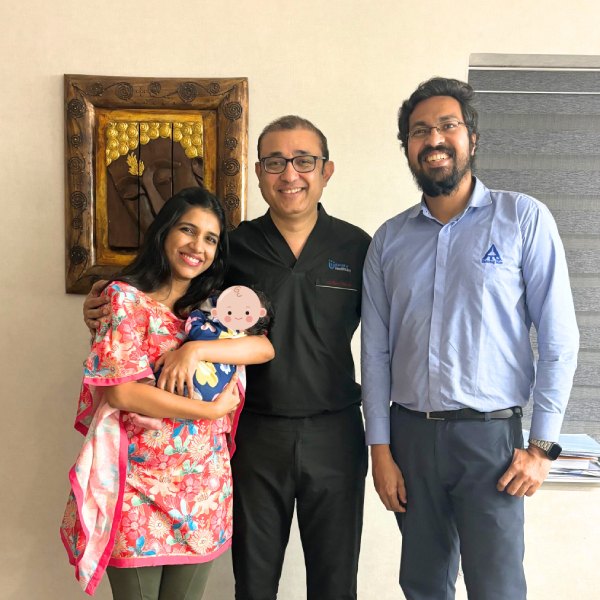
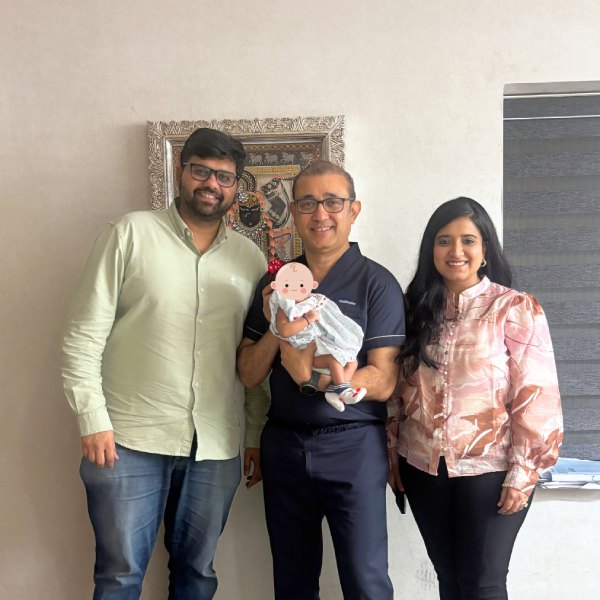
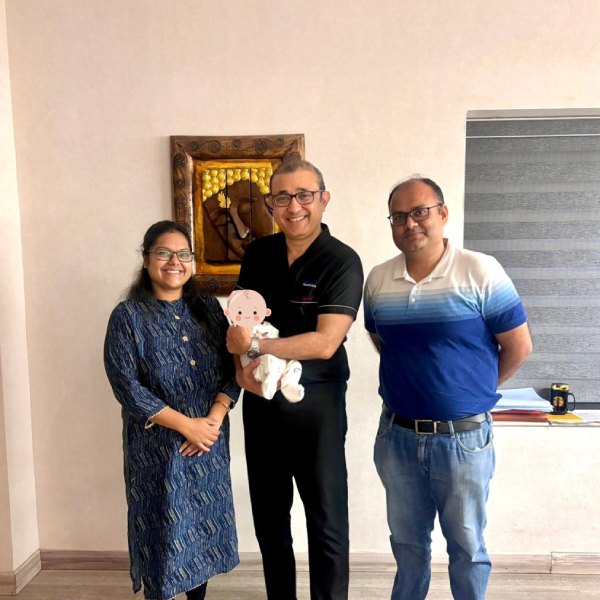
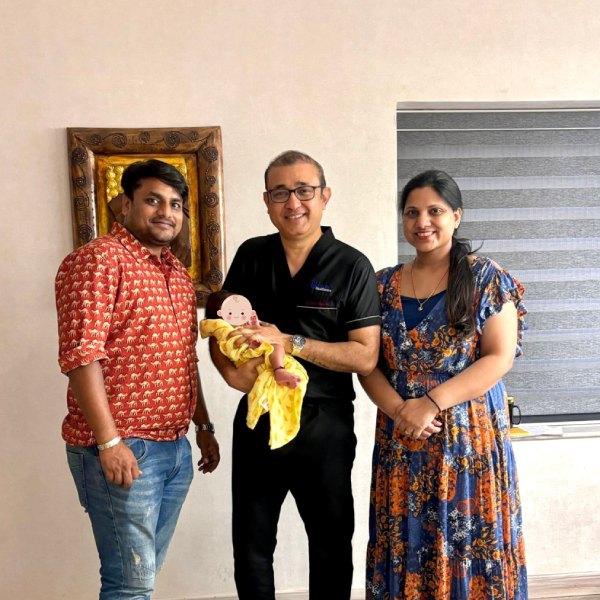
Couples Leave With More Confidence
The counselling approach is designed to reduce guesswork before pregnancy planning. These stories and photographs reflect the kind of clarity and reassurance couples look for.
"No unnecessary tests, no pressure, just clear guidance for our situation. The session helped us understand what to do next."
Mr & Mrs Gupta
"We did not know small things like Vitamin D, stress, and sleep could affect fertility. The advice was easy to understand and follow."
Mr & Mrs Tanuja
"We had doubts about when to start, what to eat, and what tests to do. The counselling made us feel prepared instead of anxious."
Mr & Mrs Soni
"No unnecessary tests, no pressure, just clear guidance for our situation. The session helped us understand what to do next."
Mr & Mrs Gupta
"We did not know small things like Vitamin D, stress, and sleep could affect fertility. The advice was easy to understand and follow."
Mr & Mrs Tanuja
"We had doubts about when to start, what to eat, and what tests to do. The counselling made us feel prepared instead of anxious."
Mr & Mrs Soni
Who Should Attend
Built For Couples Who Want A Calm, Informed Start
This is not a pressure-heavy treatment pitch. It is a structured session that helps you decide what matters for your body, your partner, and your timeline.
Couples planning pregnancy within 6-24 months First-time parents who want evidence-based guidance Couples trying naturally but unsure what to check People with PCOS, thyroid, diabetes, irregular periods, or previous pregnancy loss
Care Outline
What The Counselling Covers
Six practical areas, designed to help you make calmer decisions before pregnancy.
Most preconception appointments end with a folic acid prescription. Dr. Agarwal's consultation is structured across eight clinical domains, both partners, both biologies, with evidence-based investigation and a personalised 90-day action plan.
The question most specialists don't ask:
Are you doing more than prescribing folic acid? The literature is clear, folic acid alone, without assessing immunity, genetics, chronic disease, and male health, leaves most of the risk unaddressed.
The ideal time for preconception counselling is before you start trying, not after six months of disappointment.
Recently married or engaged
Planning a family in the next 1–2 years? The Zero Trimester begins now, not when you decide to start trying.
Planning ahead
Actively trying to conceive
If you've been trying for 3–6 months without success, a structured preconception evaluation will identify what's been missed.
TTC support
Known medical conditions
PCOS, thyroid disease, endometriosis, diabetes, or hypertension, these require preconception optimisation before pregnancy is safe.
Condition management
Family history of genetic conditions
Thalassaemia, hearing loss, SMA, or other inherited conditions in your family warrant carrier screening before conception.
Genetic risk
Planning to delay parenthood
Want children in 3–5 years but concerned about fertility? Ovarian reserve assessment and fertility preservation counselling is available now.
Fertility preservation
Planning a second pregnancy
Secondary infertility is more common than most couples expect. A structured review after your first pregnancy identifies new and changed risk factors.
Second pregnancy
Recently married or engaged
Planning a family in the next 1–2 years? The Zero Trimester begins now, not when you decide to start trying.
Planning ahead
Actively trying to conceive
If you've been trying for 3–6 months without success, a structured preconception evaluation will identify what's been missed.
TTC support
Known medical conditions
PCOS, thyroid disease, endometriosis, diabetes, or hypertension, these require preconception optimisation before pregnancy is safe.
Condition management
Family history of genetic conditions
Thalassaemia, hearing loss, SMA, or other inherited conditions in your family warrant carrier screening before conception.
Genetic risk
Planning to delay parenthood
Want children in 3–5 years but concerned about fertility? Ovarian reserve assessment and fertility preservation counselling is available now.
Fertility preservation
Planning a second pregnancy
Secondary infertility is more common than most couples expect. A structured review after your first pregnancy identifies new and changed risk factors.
Second pregnancy
What You Do Before Conception Matters
Six Lifestyle Factors That Directly Affect Your Fertility And Your Child's Health
The research is unambiguous. What both partners eat, weigh, sleep, drink, and inhale in the three months before conception shapes not just whether pregnancy occurs, but the health trajectory of the child born.
Weight & BMI
Obesity is associated with a 34% lower monthly conception rate in women; overweight with 16% lower. In men, obesity reduces sperm concentration by 15–20% and increases DNA fragmentation by 30–40%.
Even 5% weight loss improves fertility outcomes.
Smoking & Tobacco
Smoking accelerates egg depletion, increases miscarriage risk, and reduces sperm count, motility, and morphology. Hookah and sheesha carry greater risk than cigarettes.
Smoking women are significantly more likely to be infertile.
Alcohol
Consumption above 2 drinks/day is associated with infertility in both partners. For the zero trimester specifically, abstinence is the evidence-based recommendation.
The safest amount during the zero trimester is zero.
Sleep
7–9 hours is the target. Women sleeping past midnight show increased infertility risk. Sleep disruption alters LH rhythms, melatonin levels, and insulin sensitivity, all critical for ovulation.
Late sleep disrupts ovulation at a hormonal level.
Exercise
Mild to moderate exercise increases fertility by ~15%. For women with PCOS, vigorous aerobic and resistance training outperforms moderate exercise. Results require consistency over 50+ hours of training.
Sedentary lifestyle and extreme training are both harmful.
Endocrine Disruptors
Plastics, synthetic fragrances, pesticides, and cosmetics containing BPA and phthalates disrupt hormonal signalling. EDC exposure is linked to PCOS, endometriosis, and early menopause.
What you put on your skin enters your bloodstream.
Weight & BMI
Obesity is associated with a 34% lower monthly conception rate in women; overweight with 16% lower. In men, obesity reduces sperm concentration by 15–20% and increases DNA fragmentation by 30–40%.
Even 5% weight loss improves fertility outcomes.
Smoking & Tobacco
Smoking accelerates egg depletion, increases miscarriage risk, and reduces sperm count, motility, and morphology. Hookah and sheesha carry greater risk than cigarettes.
Smoking women are significantly more likely to be infertile.
Alcohol
Consumption above 2 drinks/day is associated with infertility in both partners. For the zero trimester specifically, abstinence is the evidence-based recommendation.
The safest amount during the zero trimester is zero.
Sleep
7–9 hours is the target. Women sleeping past midnight show increased infertility risk. Sleep disruption alters LH rhythms, melatonin levels, and insulin sensitivity, all critical for ovulation.
Late sleep disrupts ovulation at a hormonal level.
Exercise
Mild to moderate exercise increases fertility by ~15%. For women with PCOS, vigorous aerobic and resistance training outperforms moderate exercise. Results require consistency over 50+ hours of training.
Sedentary lifestyle and extreme training are both harmful.
Endocrine Disruptors
Plastics, synthetic fragrances, pesticides, and cosmetics containing BPA and phthalates disrupt hormonal signalling. EDC exposure is linked to PCOS, endometriosis, and early menopause.
What you put on your skin enters your bloodstream.
Free Educational Resources
Watch Before Your Consultation
Environment & Fertility
Endocrine Disruptors and Your Fertility, What They Are, Where They Hide, and What to Do
A clinical deep-dive into the everyday chemicals, in your plastics, cosmetics, air fresheners, and food, that interfere with reproductive hormones in both partners.
Natural Conception
25 Fertility Questions & Myths Around Trying Naturally, Answered by a Fertility Specialist
Everything couples are embarrassed to ask: timing of intercourse, frequency, positions, LH kits, ovulation apps, lubricants, and the evidence behind each. Clinically accurate, myth-free.
Coming soon, new videos releasing monthly
Weight & BMI for fertility
Folic acid vs L-methylfolate
Thalassaemia carrier screening
PCOS & preconception
Thyroid before pregnancy
Alcohol & sperm DNA
Paternal age & fertility
Ovarian reserve & egg freezing
Sleep & fertility hormones
Vaccination before pregnancy
Male preconception health
Vitamin D & fertility
What To Expect
Your Consultation, Step By Step
1
Before you arrive
You and your partner complete a detailed preconception health profile, 12 domains covering your full medical, genetic, and lifestyle history. Bring any previous test results.
2
The consultation
Dr. Agarwal conducts a structured clinical assessment across all 8 domains, both partners. Every relevant risk factor is identified and documented.
3
Investigations ordered
A targeted investigation panel is ordered based on your history, not a generic screen. Results are interpreted in the context of your specific situation.
4
Your 90-day roadmap
You leave with a written personalised plan: your supplement programme, investigations, vaccinations, lifestyle changes, and follow-up schedule. Not generic advice, yours specifically.
Download your Preconception Health Guide
A free, evidence-based guide for couples planning a pregnancy — covering what to do, what to check, and what not to miss in the three months before conception.
What Couples Say After Their Zero Trimester Consultation
Composite patient stories shared with consent. To leave a verified review, visit our Google Business page.
We had been trying for several months before our consultation with Dr. Agarwal. Within the first visit, he identified issues with my husband's sperm health and a thyroid condition of mine, neither of which had been picked up before. A few months later we were pregnant.
PPatient, KolkataPreconception consultation, shared with consent
We came before we even started trying, just to make sure everything was in order. The genetic screening identified something important in our family history that changed our entire approach to planning. That one consultation was invaluable. We are deeply grateful.
APatient, KolkataPreconception screening, shared with consent
I have PCOS and was told by multiple doctors to "just try for a year first." Dr. Agarwal's approach was completely different, structured, evidence-based, and respectful. He optimised my condition before we started, and I conceived naturally within months.
RPatient, KolkataPCOS preconception, shared with consent
Senior IVF Specialist with 25+ years of experience and 10,000+ patient journeys guided.
Recognition
Awards & Recognition
FAQ
Frequently Asked Questions
Preconception counselling is a structured medical consultation for both partners before attempting to conceive. It identifies and addresses health risks, including undiagnosed PCOS, thyroid disease, genetic carrier status, low ovarian reserve, poor sperm health, and medication hazards, before pregnancy begins. Research shows that addressing these issues before conception leads to better pregnancy outcomes, reduced miscarriage risk, and healthier babies. The period before conception is sometimes called the Zero Trimester because what happens in these 3 months shapes the entire pregnancy.
Preconception counselling is recommended for all couples planning a pregnancy, not just those facing fertility problems. It is especially important for couples who have been trying to conceive for 3–6 months without success, couples with a family history of genetic conditions such as thalassaemia or hearing loss, women with PCOS, thyroid disease, endometriosis, diabetes, or hypertension, couples over 30 where either partner is concerned about fertility, and women on medications that are contraindicated in pregnancy, such as valproate, isotretinoin, or methotrexate.
Ideally, you should start planning at least 3 months (the 'Zero Trimester') before you begin actively trying to conceive. This gives you enough time to check and correct nutritional gaps, complete vaccinations, adjust medications, and optimize health conditions.
During the consultation, Dr. Rajeev Agarwal reviews your medical history, menstrual cycle patterns, and lifestyle habits. He advises on essential pre-pregnancy blood tests, checks immunity status, conducts a pelvic scan to evaluate your uterine lining and ovarian reserve, and outlines a personalized care roadmap.
Essential tests include Haemoglobin & Ferritin (iron storage), Vitamin D & B12, Thyroid (TSH), Glucose metabolism (75g Oral Glucose Load & HOMA-IR), Rubella & Varicella immunity, and basic genetic carrier screening like HPLC for Thalassemia.
Male fertility accounts for nearly half of all conception delays. A simple semen analysis assesses sperm count, motility, and shape. Evaluating partner habits (sleep, stress, smoking) is also key to ensuring a healthy environment for the developing embryo.
Yes. Many conditions that affect pregnancy, such as mild thyroid dysfunction, low ferritin, or genetic carrier status, have absolutely no symptoms. Preconception checks ensure your body is fully optimized, reducing risks of early loss or complications.
Yes. Overweight is associated with a 16% reduction in the chance of conception per cycle; obesity with a 34% reduction. In men, obesity reduces sperm concentration by 15–20% and increases DNA fragmentation by 30–40%. Even a 5% reduction in body weight measurably improves fertility outcomes in both partners. (Source: Haahr et al., JAMA, 2024; population study of 55,000 women.)
No safe level of alcohol has been established during the preconception period. Alcohol above 2 standard drinks per day reduces fertility in both partners. In men it reduces testosterone and sperm quality. In women it disrupts ovulation and hormonal signalling. Complete abstinence for both partners during the Zero Trimester is the evidence-based recommendation.
Yes, significantly. Smoking accelerates egg depletion, increases the risk of miscarriage, reduces sperm count, motility, and morphology, and raises the risk of ectopic pregnancy and preterm birth. Shisha and hookah carry a greater risk per session than cigarettes, despite the common belief that they are safer. Smoking cessation at least 3 months before conception is recommended for both partners.
Yes, and significantly more than most people realise. A single shisha session can deliver the equivalent of 100–200 cigarettes' worth of smoke. It carries the same reproductive risks as cigarette smoking: reduced sperm quality, disrupted ovulation, increased miscarriage risk, and higher carbon monoxide exposure. The belief that shisha is "safer" is not supported by the evidence.
Sleep has a direct hormonal impact on fertility. Women who consistently sleep past midnight show increased rates of menstrual irregularity and ovulation problems. Sleep disruption alters LH pulsatility, melatonin levels, and insulin sensitivity, all of which are critical for regular ovulation. The recommended sleep duration before conception is 7–9 hours per night, with a consistent sleep schedule. Sleep apnoea, which is underdiagnosed in women, is also associated with PCOS and poor reproductive outcomes and should be screened for before pregnancy.
Rubella and varicella vaccines cannot be given during pregnancy, immunity must be confirmed before conception. Other recommended vaccines include hepatitis B (3 doses), influenza, and Tdap. If you are not immune to rubella or varicella, you must be vaccinated and wait at least one month before trying. Immunity is confirmed with a simple IgG blood test as part of preconception screening.
Thalassaemia is an inherited blood disorder with a carrier rate of 3–4% in India's general population, significantly higher in some communities. A simple HPLC blood test identifies carriers. If both partners carry the gene, each pregnancy has a 25% chance of thalassaemia major. Screening before conception is essential, it allows informed decision-making and access to prenatal testing.
Endocrine-disrupting chemicals (EDCs) are found in plastics, synthetic fragrances, pesticides, and cosmetics. BPA and phthalates are among the most studied. Exposure is linked to PCOS, endometriosis, reduced sperm quality, and poor IVF outcomes. Both partners should reduce EDC exposure during the Zero Trimester, especially through food storage, cookware, and personal care product choices.
For most women, folic acid is the foundation, but it is not sufficient on its own. Vitamin D, B12, and iodine are frequently deficient in Indian women and should be assessed and supplemented. Women with the MTHFR variant, absorption issues, or on valproate require L-methylfolate or higher-dose folic acid. Male partners benefit from a targeted antioxidant programme including CoQ10, zinc, selenium, and omega-3. A preconception consultation determines what each individual needs.
Dr. Rajeev Agarwal offers structured preconception counselling at Renew Healthcare in Kolkata. Consultations are available in-person and virtually for couples based elsewhere in India. The consultation covers all aspects of preconception health for both partners using an evidence-based 7-domain PREPARE clinical framework, and concludes with a personalised written 90-day action plan. Appointments can be booked at drrajeevagarwal.co.in.
Start your zero trimester
Ready to prepare properly for your pregnancy?
Dr. Rajeev Agarwal's preconception consultations are available in-person at Renew Healthcare, Kolkata, and virtually for couples based elsewhere in India.