


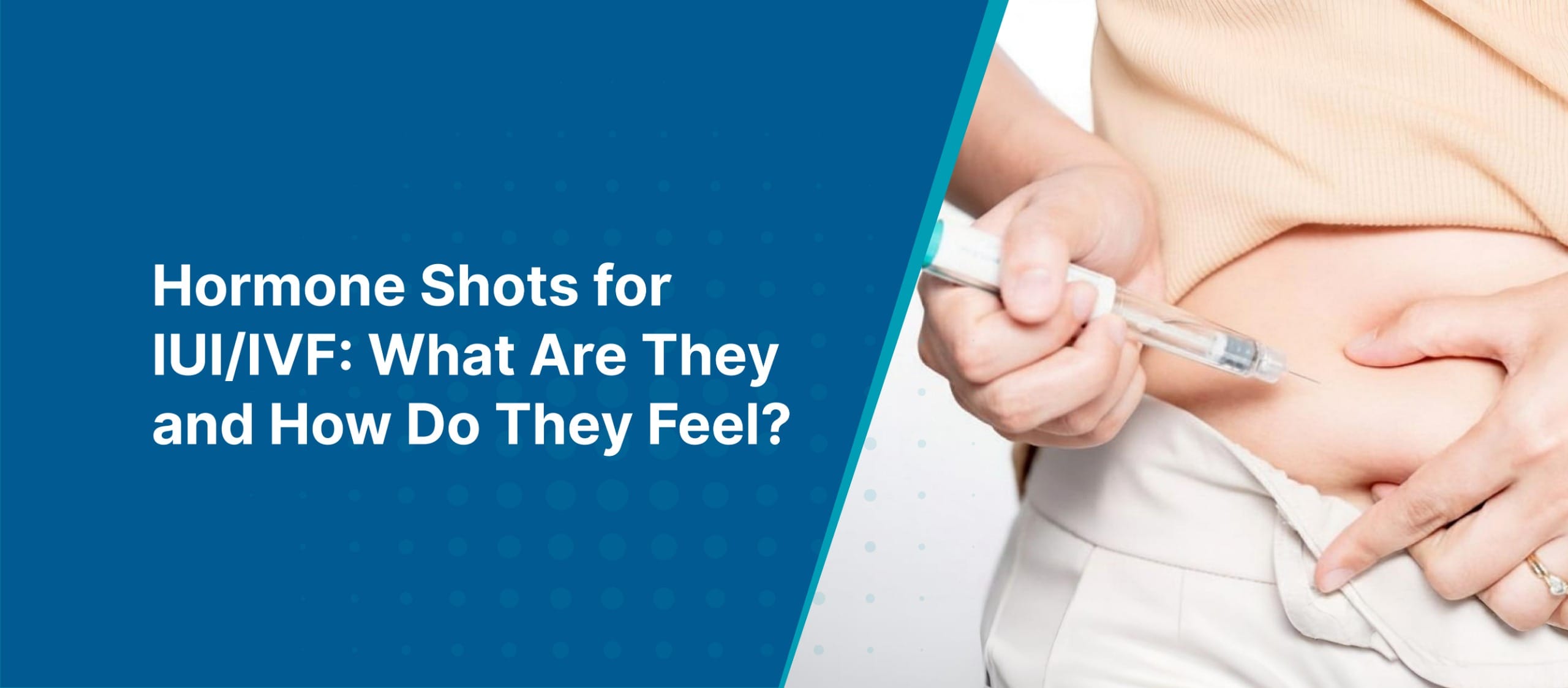
Hormone Shots for IUI/IVF: What Are They and How Do They Feel?
For couples beginning their fertility journey through IUI (Intrauterine Insemination) or IVF (In Vitro Fertilization), one of the most common questions is about hormone injections — what they are, why they are used, and how they actually feel.
These injections form the cornerstone of fertility treatment, helping your body prepare for conception by stimulating healthy egg growth and controlling the timing of ovulation. While the idea of self-administering injections might sound intimidating, understanding their purpose and process can make the experience much smoother and less stressful.
Why Hormone Shots Are Given
Hormonal injections are an essential part of fertility treatments like IUI and IVF. They are designed to stimulate the ovaries and enhance egg development, ensuring the best chances for fertilization.
Here’s how they work:
- Stimulate multiple follicles: In a natural cycle, one egg matures and releases during ovulation. Hormone shots encourage your ovaries to produce multiple mature follicles, increasing the chances of successful fertilization.
- Control ovulation timing: The timing of ovulation is crucial for both IUI and IVF. Injections help synchronize egg release so the fertility specialist can plan the insemination or egg retrieval precisely.
- Support implantation: After fertilization, certain hormones help prepare the uterus for embryo implantation, supporting early pregnancy.
Each injection plays a specific role in creating the optimal environment for conception — balancing your body’s natural rhythm with scientific precision.
Types of Hormone Injections Used in IUI/IVF
Fertility treatments typically involve a combination of hormone injections, depending on your personalized protocol. Dr. Rajeev Agarwal and his team customize the dosage and timing based on your test results, ovarian reserve, and cycle response.
Here are the main types of hormone injections you might encounter:
1. FSH & LH Injections – Stimulating Egg Growth
These injections contain follicle-stimulating hormone (FSH) and sometimes luteinizing hormone (LH). Their job is to encourage your ovaries to develop multiple follicles, each containing an egg.
Common brands include Gonal-F, Menopur, and Supergraf.
During this stage, your progress is closely monitored through ultrasound scans and hormone testing to ensure your body responds safely and effectively.
2. hCG Injection – Triggering Ovulation
Once the follicles reach a certain size maturity, an hCG (human chorionic gonadotropin) shot is given to trigger ovulation — the release of the egg(s) from the ovary(s). This injection mimics the body’s natural LH surge and is carefully timed, usually 34–36 hours before egg retrieval in IVF or before insemination in IUI.
3. Progesterone Shots – Supporting Implantation
After ovulation or embryo transfer, progesterone hormone in the form of injections/gels/oral supplements help prepare the uterine lining, making it more receptive for embryo implantation.
This hormone also maintains early pregnancy until the body begins to produce sufficient progesterone on its own.
What to Expect: Physical and Emotional Effect
Every woman responds differently to hormone therapy. While most experience only mild side effects, being aware of them helps you manage expectations confidently.
Physical Sensations
- Mild bloating or pelvic heaviness.
- Breast tenderness or mild cramping.
- Temporary bruising or soreness at injection sites.
- Fatigue or slight mood swings due to hormonal changes.
These are common and usually subside within a few days. Staying hydrated, maintaining a balanced diet, and light physical activity can help alleviate discomfort.
Emotional Reactions
Hormonal fluctuations, combined with the stress of fertility treatment, can sometimes lead to mood changes or anxiety. Emotional preparation — such as relaxation techniques, open communication with your partner, or counseling — can make the journey much easier to handle.
Dr. Rajeev Agarwal’s clinic encourages couples to approach the process holistically, addressing both physical and emotional well-being throughout the treatment.
How to Administer Hormone Shots Safely
Many fertility patients administer their hormone shots at home after proper instruction from the clinical team. Safety and timing are critical — always follow your specialist’s exact schedule.
Tips for Safe Administration:
- Wash your hands thoroughly before handling the injection.
- Prepare the dose as instructed — some medications come pre-filled, while others require mixing.
- Choose a clean injection site (commonly the abdomen or thigh).
- Rotate sites daily to avoid bruising or soreness.
- Dispose of needles safely in a sharps container.
Your fertility consultation team will guide you through every step, ensuring you feel comfortable and confident before starting at-home injections.
Dr. Rajeev Agarwal’s Guidance
According to Dr. Rajeev Agarwal, most side effects from hormone shots are temporary and manageable. Mild symptoms often reflect the body’s natural response to elevated hormone levels and follicular activity.
“These injections are safe when administered under medical supervision. If you experience severe pain, allergic reactions, or unusual symptoms, reach out to your fertility clinic immediately. Close monitoring and timely feedback help ensure a smooth and effective treatment process.”
Dr. Agarwal emphasizes maintaining consistent communication with your fertility team and attending all scheduled scans. These checkups allow specialists to adjust your medication dosage, prevent ovarian hyperstimulation, and track follicle development accurately.
Conclusion
Hormone shots may seem daunting at first, but they play a vital role in helping your body prepare for conception. With proper guidance, emotional support, and medical supervision, this phase of your fertility journey can be empowering rather than intimidating.
If you’re planning to begin IUI or IVF treatment in Kolkata, consult Dr. Rajeev Agarwal, one of the most trusted fertility specialists, for a personalized and compassionate approach. His clinic combines advanced reproductive technology with holistic care to help couples move one step closer to their dream of parenthood.