


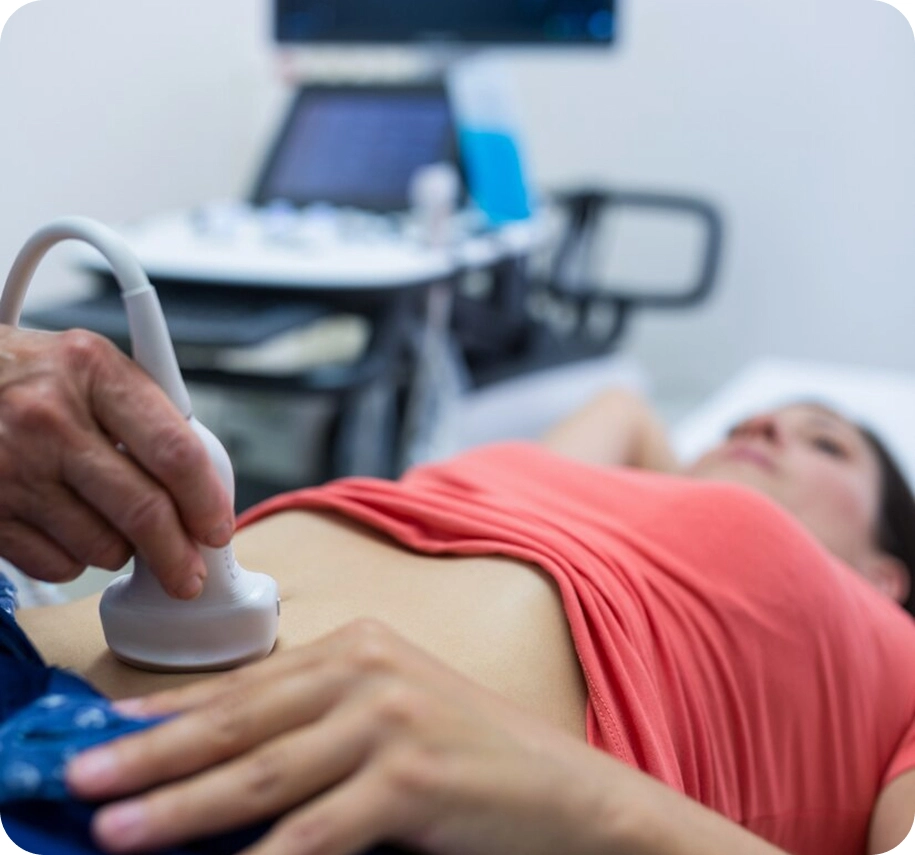
Urinary Laser Therapy: Non-Invasive Relief for Urinary Concerns
Talk to us about
Why me? How am I different?
Planning Ahead
We believe in helping our patients plan ahead as learning about your fertility should not come at the last minute.
Holistic Approach
We understand that there are many factors from our lifestyle to our medical history to our genetics that can affect our fertility. Our comprehensive fertility consults take all this into account during discussions.
Personalised
Fertility and pregnancy look different for everyone so we are focused on providing care that is built around you.
Advanced Science
Our care is rigorously founded on the latest advancements in fertility, leaving no room for anything less. No gimmicks, or false hope, just evidence-based advanced care.
Frequently Asked Questions
Urinary laser therapy is a non-invasive option for treating conditions like urinary incontinence, vaginal laxity, and postmenopausal vaginal atrophy. It is a cutting-edge treatment aimed at improving various urogynecological conditions. This therapy’s main benefit is enhancing the quality of life for women facing these conditions. The treatment is quick, safe, and painless, offering significant benefits without surgery or prolonged downtime.
Utilizing laser technology, the procedure stimulates collagen production in the vaginal and urethral tissues. This results in improved tissue elasticity, strength, and hydration.
- Fractional CO2 Laser Therapy
- Targets deeper layers of vaginal tissue.
- Stimulates collagen and elastin production for rejuvenation.
- Erbium YAG Laser Therapy
- Focuses on surface-level tissue.
- Suitable for milder cases of vaginal laxity or atrophy.
- Hybrid Laser Therapy
- Combines the benefits of both CO2 and Erbium YAG lasers.
- Provides comprehensive tissue remodelling and hydration.
le for women experiencing a variety of symptoms related to pelvic health, including:
- Stress Urinary Incontinence (SUI):
- Leakage of urine during activities like coughing, sneezing, or exercise. In mild to moderate cases of urinary incontinence, ult works wonderfully.
- Vaginal Laxity:
- It commonly occurs after childbirth or due to aging.
- Postmenopausal Vaginal Atrophy:
- Symptoms include dryness, irritation, and pain during intercourse.
- Pelvic Organ Support:
- Mild prolapse conditions where enhanced tissue support is beneficial.
- Recurrent Infections:
- Frequent urinary tract or vaginal infections due to compromised tissue health.
- Painful Intercourse:
- Resulting from dryness or tissue thinning.
In all these situations, urinary laser therapy is the revolutionary technology that uses lasers to rejuvenate and replace the collagen tissue around the urethra and bladder walls thus tightening that area. It’s safe, effective and takes only 3 mins of therapy. For a lot of patients, one session is good enough while most will have relief after 2 or 3 sittings.
Urinary laser therapy can be considered in the following scenarios:
- Postpartum Recovery: To address vaginal laxity or mild urinary leakage after childbirth.
- Perimenopause and Menopause: To manage vaginal atrophy and associated symptoms like dryness and irritation.
- Non-Surgical Intervention: For women seeking alternatives to surgical procedures for mild to moderate urinary incontinence or pelvic organ support.
Prevention and Maintenance: To maintain pelvic tissue health and prevent worsening of symptoms.
- Minimally Invasive: No cuts, stitches, or general anaesthesia required.
- Quick Procedure: Typically lasts 15–30 minutes.
- No Downtime: Patients can resume normal activities immediately.
- Long-Lasting Results: Enhanced tissue health and improved symptoms can last for months with proper care.
If you’re experiencing any of the conditions mentioned above, consult a gynaecologist or urogynecologist to determine if urinary laser therapy is appropriate. Your doctor will assess your symptoms, medical history, and goals to recommend the best treatment plan
Unique Approach To
Your Health Needs

“Non-invasive and surprisingly comfortable. The results were fast and long-lasting.

Soneka
“No more urgency, no more interruptions. This treatment gave me my freedom back.”

Nandini
“The care team was wonderful—professional, warm, and discreet.”

Rachna
“It worked better than medications ever did. Truly grateful.”

Vinay


10K
happy patients

4.9
google ratings


Other Services

Preconception Care
Get baby-ready with expert pre-pregnancy care.
- Health checks to prep for a safe pregnancy.
- Fertility-friendly nutrition and lifestyle tips.
- Guidance on supplements and wellness habits.

Fertility Treatments
Personalized care to support your parenthood.
- Advanced testing and fertility planning.
- Options like IVF, IUI, and hormone therapy.
- Emotional and medical support throughout.

Vaginismus Therapy
Gentle care to overcome painful intimacy.
- Pelvic floor exercises for muscle relaxation.
- Mind-body therapy to ease fear and tension.
- Gradual dilator use for comfort and confidence.

Hysteroscopic Procedure
To diagnose and treat uterine issues.
- Treats fibroids, polyps, and scarring.
- Quick, outpatient recovery.
- Accurate, targeted care.

Laparoscopic Surgery
Minimal incision surgery with faster recovery.
- Treats fibroids, endometriosis, cysts & more.
- Less pain, quicker healing.
- High-precision, safe procedure.
Essential Resources

I want you to picture something. You have

Every week, I sit with couples who have

What Is a Fetal Pole in Pregnancy?A fetal pole, also
Urinary Laser Therapy
Laser Treatment for Urinary Incontinence - Advanced Care by Dr. Rajeev Agarwal
Urinary incontinence is not limited to any one gender. Both men and women may experience bladder control issues at different stages of their lives. If you’ve noticed difficulty holding urine, sudden urgency or even leakage, it’s a sign your body needs attention.
Thanks to the advances in medical science, urinary incontinence treatment options, such as laser treatment for urinary incontinence, offer non-surgical, effective ways to regain control and confidence.
Understanding Urinary Incontinence and Bladder Control Issues
Urinary incontinence, meaning involuntary leakage of urine, is more common than you can imagine. In everyday life, it shows up as small, inconvenient moments that affect social confidence.
Common urinary incontinence symptoms are:
- Leakage when you cough, sneeze or even laugh
- Frequent bathroom visits
- Sudden urgent need to urinate
- Difficulty in controlling urine flow
While women may experience these issues after childbirth or menopause, men often face them after prostate-related issues or with age.
Common Urinary Incontinence Causes in Women
Understanding urinary incontinence causes helps in choosing the right treatment. The most common reasons for urinary incontinence in women are:
- Pregnancy and childbirth
- Menopause
- Neurological conditions like multiple sclerosis, Parkinson's disease and even stroke
- Obesity or other physical changes
- Vaginal tissue laxity due to ageing
Stress urinary incontinence laser treatment becomes necessary when harmless daily activities like laughing, coughing or sneezing cause urine leakage.
Non-Surgical Urinary Incontinence Treatment Options
A lot of non-invasive female urinary incontinence treatment options are available today.
- Pelvic floor strengthening exercises, like Kegel exercises
- Lifestyle and dietary changes
- Medications for bladder control
- Vaginal laser treatment for tissue rejuvenation
Non-surgical laser treatment for urinary incontinence in women and men is gaining popularity because it targets the root cause directly. Because you d
Diagnosis and Evaluation for Urinary Incontinence
A proper diagnosis is the first step towards effective urinary incontinence treatment. Doctors evaluate the type of incontinence to identify whether it is caused by stress, along with the severity of the symptoms and any underlying causes contributing to the condition.
A detailed assessment helps the doctors in selecting the best minimally invasive laser treatment for stress urinary incontinence.
Benefits and Safety of Laser Treatment for Urinary Incontinence
Many of our patients ask: "How effective is laser therapy for urine leakage treatment?”
Our answer is: Laser treatment for urinary incontinence is a fairly newer, safe and advanced technology that works by improving tissue strength and support around the bladder. It’s a non-invasive procedure, which means no cuts, stitches, or hospital stays.
Quick sessions may be 15-30 minute procedures from start to finish. Clinical outcomes show significant improvements in just one sitting for most people.
Why Choose Dr. Rajeev Agarwal for Urinary Incontinence Treatment
If you’re searching for urinary incontinence doctors near me, choosing the right specialist makes all the difference.
Dr Rajeev Agrawal brings over 25 years of experience in gynaecology, fertility care and minimal or non-invasive treatments. His approach focuses on understanding the patient's concerns in detail and offering solutions that are the most effective.
Patients also have access to comprehensive care through fertility and gynaecological services, along with expert guidance from experienced infertility specialists in Kolkata.
Recognized among the best IVF specialists in Kolkata, Dr. Rajeev Agarwal combines experience, advanced technology and a patient-first approach to deliver safe and reliable outcomes.
FAQs
1. What is urinary laser therapy, and how does it help treat urinary incontinence?
It is a non-invasive, safe and advanced laser therapy for bladder control problems. It uses controlled laser energy to strengthen vaginal tissues to improve bladder support and overcome urinary incontinence.
2. Is laser treatment for urinary incontinence safe and effective for women?
Yes, it is considered safe when performed by experienced specialists. It has been effective for many women with mild to moderate symptoms. If it lowers your social confidence, then it’s worth exploring the cost and benefits of laser treatment for urinary incontinence.
3. Who is the ideal candidate for non-surgical laser therapy for urine leakage?
Women experiencing stress urinary incontinence, especially after vaginal childbirth or menopause, are ideal candidates.
4. How many sessions are required for urinary laser treatment, and what is the recovery time?
Typically, 2-3 sessions are recommended; many patients often see results just after the first session. Recovery time is minimal, and most patients can resume normal activities the same day.
5. What are the benefits of laser therapy compared to surgery for urinary incontinence?
It is non-invasive, meaning no cuts, stitches, or hospital stay. Involves less risk and offers natural improvement in bladder control.