


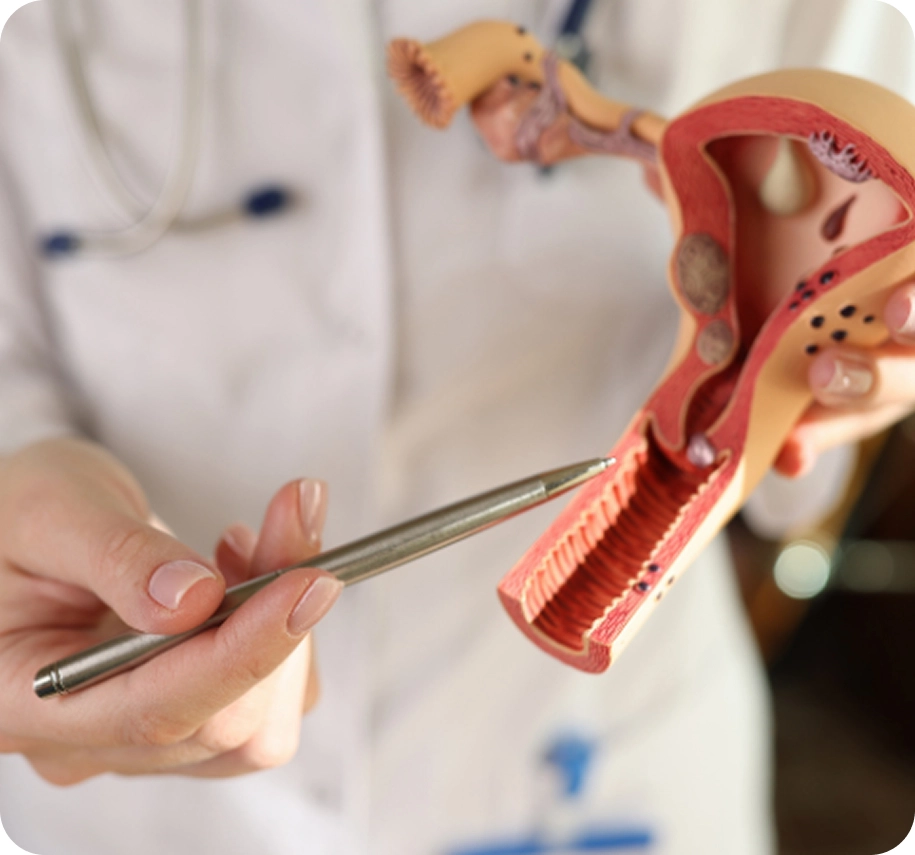
Fibroid Solutions: Minimally Invasive Options for Better Living
Uterine fibroids can lead to heavy periods, pain, and fertility issues. We offer advanced diagnostics and surgical or non-surgical treatments to improve quality of life and preserve fertility.
Talk to us about
Why me? How am I different?
Planning Ahead
We believe in helping our patients plan ahead as learning about your fertility should not come at the last minute.
Holistic Approach
We understand that there are many factors from our lifestyle to our medical history to our genetics that can affect our fertility. Our comprehensive fertility consults take all this into account during discussions.
Personalised
Fertility and pregnancy look different for everyone so we are focused on providing care that is built around you.
Advanced Science
Our care is rigorously founded on the latest advancements in fertility, leaving no room for anything less. No gimmicks, or false hope, just evidence-based advanced care.
Frequently Asked Questions
Uterine fibroids, also known as leiomyomas, are non-cancerous growths of the uterus that can affect women at various stages of life. While they may be asymptomatic in some, others experience significant symptoms like heavy menstrual bleeding, pelvic pain, and fertility challenges. As an obstetrician, gynecologist, and fertility expert, I often encounter patients seeking clarity on the best approach to managing fibroids. Here, we delve deeper into modern solutions and approaches to fibroid management, offering insight into when and how to intervene.
Not all fibroids require treatment. The decision largely depends on their size, location, and the symptoms they cause.
- Symptomatic Fibroids: Fibroids causing heavy menstrual bleeding, anemia, severe pelvic pain, frequent urination, or constipation should be addressed.
- Fibroids Impacting Fertility: Submucosal fibroids or those distorting the uterine cavity can interfere with implantation or pregnancy and often need removal.
- Rapidly Growing Fibroids: Any fibroid that grows rapidly in a short period raises concerns and warrants further evaluation.
- Asymptomatic Large Fibroids: Fibroids over 5 cm, even without symptoms, may require observation or treatment if there’s potential for complications like compression of nearby organs.
- Women with Reproductive Goals: For women planning pregnancies, fibroids affecting the uterine cavity (submucosal or large intramural fibroids) should be prioritized for treatment.
- Women Nearing Menopause: For peri-menopausal women, a wait-and-watch approach may be suitable unless symptoms significantly impact their quality of life.
- Postmenopausal Women: New or enlarging fibroids or postmenopausal bleeding related to fibroids requires immediate investigation to rule out malignancy.
- Chronic Symptomatic Patients: Women experiencing persistent symptoms that disrupt daily life should be considered for intervention, regardless of reproductive plans.
The best treatment depends on the individual’s symptoms, age, reproductive goals, and overall health.
- Medications
- Hormonal Therapy: Medications like gonadotropin-releasing hormone (GnRH) agonists shrink fibroids temporarily and are often used pre-surgery to reduce size.
- Progestin-based Therapies: These can help control heavy bleeding but don’t shrink fibroids.
- Selective Progesterone Receptor Modulators (SPRMs): Newer medications like ulipristal acetate offer targeted management of symptoms with fewer side effects.
- Non-Surgical Interventions
- Uterine Artery Embolization (UAE): A minimally invasive procedure that blocks the blood supply to fibroids, causing them to shrink. Ideal for women who have completed childbearing.
- MRI-guided Focused Ultrasound Surgery (MRgFUS): A non-invasive technique using high-intensity ultrasound waves to ablate fibroids. Best for smaller, symptomatic fibroids.
- Surgical Options
- Hysteroscopic Myomectomy: Removes submucosal fibroids via the vaginal route, preserving fertility.
- Laparoscopic or Robotic Myomectomy: Minimally invasive techniques to remove fibroids while maintaining the uterus.
- Hysterectomy: Complete removal of the uterus is the only definitive cure for fibroids but is typically reserved for women who have completed childbearing and have severe symptoms.
While there is no guaranteed method to prevent fibroid growth, adopting a proactive approach can help:
- Lifestyle Modifications: Maintain a healthy weight, as obesity is linked to fibroid growth. A diet rich in fruits, vegetables, and whole grains, and low in red meat and processed foods, is beneficial.
- Control Hormonal Levels: Manage estrogen levels through hormonal contraception or medication, as fibroids thrive in high-estrogen environments.
- Regular Monitoring: Routine ultrasounds and check-ups can help track fibroid size and growth patterns.
A hysterectomy is the only permanent solution for fibroids, ensuring they do not recur. However, this is a major decision that requires thorough discussion about the patient’s reproductive goals and overall health.
For those wishing to retain their uterus, myomectomy or minimally invasive interventions like UAE or MRgFUS offer long-term relief but may not prevent recurrence.
Unique Approach To
Your Health Needs

Dr Rajeev the best doctor in town.. a doctor who gives so much time to every patient. he addresses every concern very very patiently. I had him for my first delivery and was super satisfied so wanted him for the second time as well. I delivered 10 days back but this time was on bed rest for my last three months and doctor took care of every minute thing so so well so that I don’t have a preterm. I thank him for everything. One can sit and discuss everything with him. He has all ears to everything always and best solution as well. Very grateful for having him as my doctor. Lastly the care ivf team is super helpful.. always upto date with everything. They have a proper system for everything which is commendable. Thank you doctor for a smooth delivery and a very great experience.

Arpita Agarwal
If I have to say something about Dr Rajeev Agarwal, then I would say that for the world he is a doctor, but for me he is God . As I hold my little angel in my arms, I have only and only gratitude for the most amazing doctor I have come across, Dr Rajeev Agarwal. Having trying to conceive since the last five years and consulting n number of gynaecologists in Kolkata, we had lost all hope but the moment we met Doctor Rajeev for the very first time, he made us believe there is light at the end of the tunnel. He and his able team of inhouse doctors, including Dr Aditi Kanungo, made this journey of motherhood possible for us. Sir not only assured that every step of this journey is smooth for me but also showed concern for my overall wellness …

Akanksha Golchha
The best gynecologist in the town. I’ve visited Dr. Rajeev due to my pcod problems. After that , only for his perfect treatment,my all major problems are just gone.. thanks so much sir for your response, care & treatment…🙏

Risha Mondal

10K
happy patients

4.9
google ratings

Other Services

Fertility Support
Helping you achieve parenthood with expert care.
- Personalized consultations and assessments.
- Advanced treatments: IVF, IUI, and surgeries.
- Emotional support and state-of-the-art.

Period Pain Relief
Effective solutions for pain-free periods.
- Personalised diagnosis and treatment plans.
- Medication and hormonal therapy options.
- Non-invasive procedures for lasting relief.

Infertility Help
Expert support for overcoming fertility challenges.
- In-depth assessments.
- Integrative treatments.
- Compassionate care.

Menopause Wellness
Navigate with confidence and balance.
- Science-backed remedies.
- Hormone-supporting plans.
- Ongoing wellness strategies.

PCOS Care
Holistic management for a healthier, balanced life.
- Personalised diagnosis and treatment plans.
- Hormonal and metabolic management.
- Support for fertility and menstrual health.
Essential Resources
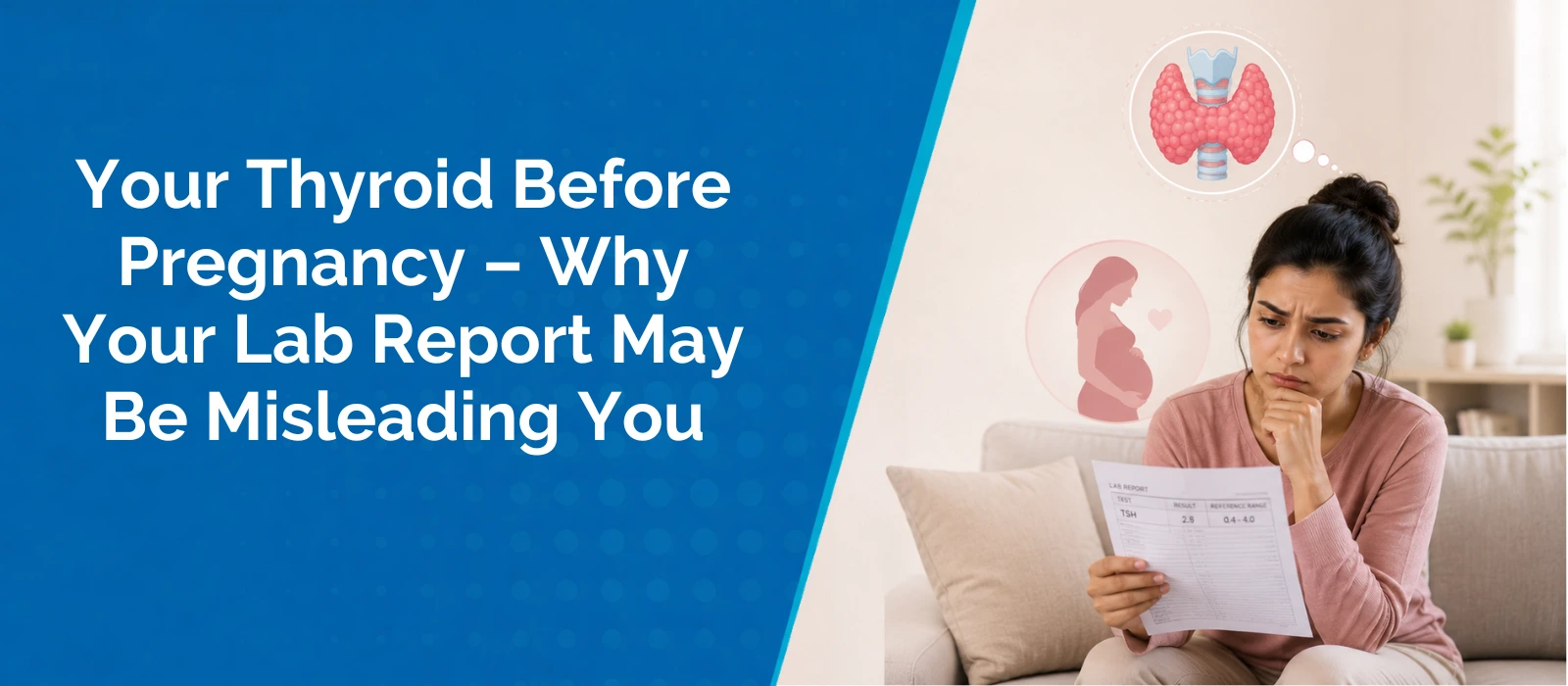
I want you to picture something. You have
Every week, I sit with couples who have
What Is a Fetal Pole in Pregnancy?A fetal pole, also
Fibroids Solutions & Treatment
Uterine Fibroids Treatment and Solutions - Personalized Care by Dr. Rajeev Agarwal
Uterine fibroids are a common concern for many women; they are often misunderstood or ignored until they start to affect their health. From heavy bleeding and painful periods to fertility challenges, fibroids symptoms can affect both physical and long-term reproductive health. The good news is that with the right uterine fibroids treatment, these symptoms can be managed effectively.
Dr. Rajeev Agarwal offers advanced, best treatment options for fibroid removal and relief, improving quality of life while preserving fertility. With over 25 years of experience, he is one of the best doctors for fibroid treatment in Kolkata.
What Causes Uterine Fibroids and Key Risk Factors
So, here’s what causes uterine fibroids. Fibroids are non-cancerous growths that develop in or around the uterus, often influenced by hormonal changes, especially estrogen.
Women in their reproductive age are more likely to develop fibroids. In some cases, multiple growths may appear together to form multiple uterine fibroids. Genetics, lifestyle and age may increase the risk of developing uterine fibroids. They can also lead to conditions like a bulky uterus, which can lead to more noticeable symptoms in the future.
Uterine Fibroid Symptoms and Common Warning Signs
It is important to recognize uterine fibroid symptoms early. Some women at times may not even notice any symptoms, while others experience changes that gradually become difficult to ignore.
Heavy or prolonged menstrual bleeding, pelvic pressure, and painful periods are among the most common concerns. Many women also report bloating, frequent urination or discomfort. In some cases, fibroid symptoms can also affect fertility, making timely diagnosis and treatment important.
Types of Fibroids and Their Differences
There are different types of fibroids depending on their location; each behaves differently. Some grow within the muscular uterine wall, often causing heaviness or an increase in overall uterine size. Others develop inside the uterine cavity and are more likely to lead to heavy bleeding or fertility issues.
There are also fibroids that grow on the outer surface of the uterus, which create a feeling of pelvic pressure.
In certain cases, cervical fibroids can grow near the cervix, which may affect both comfort and reproductive health. Understanding these variations helps in choosing the most effective treatment approach.
Diagnosis and Evaluation of Uterine Fibroids
An accurate diagnosis that identifies the signs, causes, and treatment of uterine fibroids is key to choosing the right uterine fibroid symptoms and treatment options. Evaluation involves transvaginal ultrasound and imaging. Some doctors might also suggest an MRI or Hysterosalpingography (HSG) based on your symptoms.
This helps the doctors determine if the patient may benefit from fibroid treatment without surgery and natural solutions or require advanced procedures such as myomectomy, laparoscopy or hysteroscopy.
Why Choose Dr. Rajeev Agarwal for Uterine Fibroids Treatment and Care
Choosing the right uterine fibroid specialist is an important step, especially when treatment decisions can impact fertility and long-term health.
Dr. Rajeev Agarwal brings over 25 years of experience and has served more than 10,000 patients. His approach combines clinical expertise with a clear focus on patient comfort and outcomes. Patients are guided early, rather than waiting until symptoms get worse.
Recognized as one of the best IVF doctor in Kolkata, Dr. Agarwal focuses on treatments that go beyond symptom relief and support overall reproductive health.
If you are planning a pregnancy, getting proper guidance from an experienced infertility specialist in Kolkata is always beneficial. Patients also benefit from their fertility and gynaecology services.
FAQs
What are the symptoms of uterine fibroids?
Common symptoms include heavy menstrual bleeding, prolonged periods, pelvic pain, bloating, frequent urination and pressure in the lower abdomen due to a bulky uterus with fibroids. Some women may also experience fertility concerns.
What causes uterine fibroids?
Fibroids are influenced by hormonal changes, genetics and lifestyle factors. However, the exact cause can vary for each individual.
Can fibroids be treated without surgery?
Yes. Many fibroids can be managed with non-surgical options depending on their size, symptoms, and impact on fertility. As medical science has advanced significantly, a lot of advanced solutions for uterine fibroids management are available.
What are the best treatment options for fibroids?
Best treatment options for fibroid removal and relief may include medication, minimally invasive procedures, or uterine fibroids surgery, such as myomectomy when necessary.
How can fibroids affect fertility?
In some cases, fibroids can impact fertility depending on their size and location within the uterus. The right treatment and timely care help women improve their chances of conception. Access the right medical guidance from fertility support services in Kolkata when planning a safe and successful pregnancy.