
Is PCOS Genetic? How Dad’s Genetics Can Influence
PCOS or polycystic ovary syndrome is a very common condition among women, which causes painful periods, hormonal imbalance, infertility, excess facial or body hair, and...
While we still don’t know the exact causes of PCOS in women, research points to a fascinating connection: the role of paternal genetics in PCOS risk. Yes, dads, your genes might be part of the puzzle. Let’s see what a fertility specialist in Kolkata with 25+ years of experience in fertility treatment has to say.
Is PCOS Genetic? Understanding Family History and Hereditary Factors
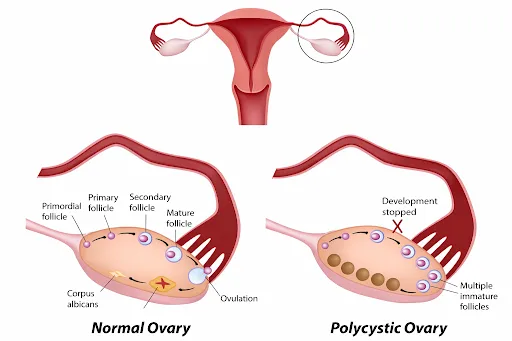
PCOS and genetics have always continued to intrigue researchers and scientists. PCOS is characterized by a variety of symptoms, including irregular menstrual cycles, excessive androgen (male hormone) levels, and ovarian cysts.
It can lead to long-term health issues such as infertility, type 2 diabetes, and cardiovascular diseases. While most of us focus on lifestyle factors like diet and exercise, the genetic basis of PCOS cannot be ignored.
Interestingly, research suggests that PCOS can run in families. This is not limited to maternal inheritance; fathers’ genes can also contribute to a daughter’s risk. This connection lies in the transmission of genetic markers that influence metabolic and hormonal pathways, which are central to PCOS.
So, yes, if you have wondering is PCOS genetic or environmental, it is both. Your genetics can increase PCOS risk in your daughter.
What is the genetic basis of PCOS: Can PCOS Be Passed from Father to Daughter?
The short answer is Yes! Several research studies have shown that PCOS is genetically passed from fathers to daughters. Here’s how:
- The genes associated with insulin resistance, obesity, and androgen production can be inherited from fathers. Insulin resistance and androgen production are major causes of PCOS.
- If a father is genetically insulin resistant or has related conditions, he may pass these traits on to his daughters.
- Signs like early balding or excessive weight gain in fathers can also indicate PCOS risk in the daughter. These characteristics may share a common genetic origin with PCOS.
Is PCOS Genetic or Environmental: What Matters More in PCOS Development?
The mostly commonly asked question to a PCOS doctor is -
Is PCOS mostly inherited or impacted by environmental factors?
Conventionally thought to be primarily caused by lifestyle factors, new research indicates that PCOS is a complex disorder including both genetic predisposition and environmental variables.
Genetics provides the blueprint for PCOS, while environmental factors determine whether PCOS-related genes are expressed.
This simply means your genetics can make your daughter at risk for PCOS, while her environment and lifestyle will determine if the symptoms of PCOS will be expressed.
Diet, exercise, stress levels, and exposure to environmental toxins all play a crucial role in managing PCOS risk.
How to Reduce PCOS Risk Naturally
Here are a few natural ways to reduce the symptoms of PCOS and lifestyle changes for PCOS management:
1. The right diet
Avoid saturated fats, processed meats, and refined sugar entirely. Try to eat whole foods, lean protein, and omega-3 rich food.
2. Physical activity
Regular exercise can not only help you manage your weight, but also reduce the symptoms of PCOS. It cannot completely cure PCOS, but help you manage it better.
3. Stress Management
A stress-free lifestyle can naturally reduce the risk of PCOS symptoms. Proper sleep can help manage stress. Get 7-9 hours of quality sleep per night.
If you want PCOS treatment, you can consult the best PCOS doctor in Kolkata, Dr. Rajeev Agarwal.
What Dads Can Do to Lower Their Daughters’ PCOS Risk
As fathers, you can do a lot of things to reduce your daughter’s PCOS risk. It not only includes genetic testing before planning pregnancy, but also lifestyle changes after your little girl is born. It is never too late.
- Encourage a Healthy Lifestyle: Adopt a healthy lifestyle and encourage your daughter to do so, too. It includes regular physical activity, whether it is playing any sport, doing yoga at home, or dancing.
- Know Your Family History: Be aware of any metabolic or hormonal disorders in your family. Share this information with your fertility specialist when planning conception. This will actually help reduce the genetic transfer of PCOS to the child.
- Healthy Eating Habits: As a father, you can discourage processed foods and fast food at home. Bring whole foods, fresh fruits, and vegetables every day so that eating healthy becomes the default for your family.
- Support Open Conversations: Create a supportive environment where your daughter feels comfortable discussing menstrual health and related concerns. Have open conversations instead of making it a taboo.
- Prioritize Preventive Care: Encourage regular check-ups to monitor hormonal and metabolic health. Early detection of PCOS can make a significant difference in managing its symptoms.
As a father, it is your responsibility to get your daughter the right PCOS treatment in Kolkata, if needed. You can get the best fertility support from Dr. Rajeev Agarwal. He is a fertility expert in Kolkata, providing fertility & gynecological services.
If you are curious about what causes PCOS, the signs of PCOS, and can I pass PCOS to my daughter, reach out to Dr. Agarwal for an online consultation. He also offers preconception care.
FAQs
1. Can a father’s genetics increase the risk of PCOS in his daughter?
Yes, new research studies have indicated that metabolic or hormonal disorders in the father’s genetic history can cause PCOS in the daughter. This also answers common questions like is PCOS hereditary and how family history plays a role.
2. How do paternal genes influence hormone imbalance linked to PCOS?
Paternal genes, or a father’s genes, can cause insulin resistance and androgen imbalance genetically in the daughter, which are the main causes of PCOS.
3. What genetic traits from fathers are associated with PCOS risk in daughters?
Genetic traits like obesity, metabolic issues, early balding, and hormonal issues in father can be associated with PCOS risks in daughters.
4. If a father has metabolic issues, can it affect his daughter’s chances of developing PCOS?
Yes, metabolic issues and obesity in the father can increase his daughter’s chances of developing PCOS, which is why many people ask is PCOS hereditary and linked to family health history.
5. What can fathers do to reduce the risk of PCOS in their daughters?
Fathers can get a proper family history and genetic check-up before planning the pregnancy. This is the most effective way to reduce the risk of PCOS in your future daughter. However, if you are already a father of a daughter, you can still have an active lifestyle and encourage your daughter to exercise regularly.